Respiratory virus season already raises concerns about COVID-19, influenza, and RSV, but another virus is gaining attention: human metapneumovirus (HMPV).
Recent surveillance data show HMPV accounting for about 5% of weekly respiratory virus cases as of February 21, up from 3.8% the week prior, with increased prevalence reported in areas such as New Jersey and California.
While HMPV has been circulating for years, growing awareness and improved diagnostic testing are bringing it into the spotlight. For facility managers in healthcare environments, schools, and commercial buildings, understanding how the virus spreads—and
how to help prevent it—is an important part of maintaining a healthy environment.
Stay Informed: Take Clean Further with Betco
Subscribe to Betco emails to join thousands of other industry professionals and get the most helpful blog posts, the latest news, new product notifications, and invitations to our events conveniently in your inbox!
Yes, Sign Me Up!
What Is Human Metapneumovirus (HMPV)?
Human metapneumovirus is a respiratory virus that can cause both upper and lower respiratory illness in people of all ages. It was first identified in 2001 and belongs to the Pneumoviridae family, the same family as respiratory syncytial virus
(RSV).
In the United States, HMPV infections follow a predictable seasonal pattern, typically circulating from winter through spring and often overlapping with flu and RSV activity.
Symptoms associated with HMPV are similar to those of other respiratory infections and may include:
- Cough
- Fever
- Nasal congestion
- Shortness of breath
In some cases, symptoms may progress to bronchitis or pneumonia. Because these symptoms overlap with those of other respiratory viruses, it can be difficult to distinguish HMPV without testing.
How HMPV Spreads
HMPV spreads in ways similar to many other respiratory viruses, including flu, COVID-19, and RSV. Transmission can occur through:
- Respiratory droplets released when an infected person coughs or sneezes
- Close personal contact, such as touching or shaking hands
- Touching contaminated surfaces, followed by touching the mouth, nose, or eyes
Because viruses can survive on frequently touched surfaces, routine cleaning practices play an important role in reducing the risk of transmission in shared environments.
Prevention Strategies for Facilities
Because there is currently no vaccine or specific antiviral treatment for HMPV, prevention focuses on reducing the spread of respiratory viruses. Many of the same strategies used to limit flu, RSV, and COVID-19 transmission are also effective against
HMPV.
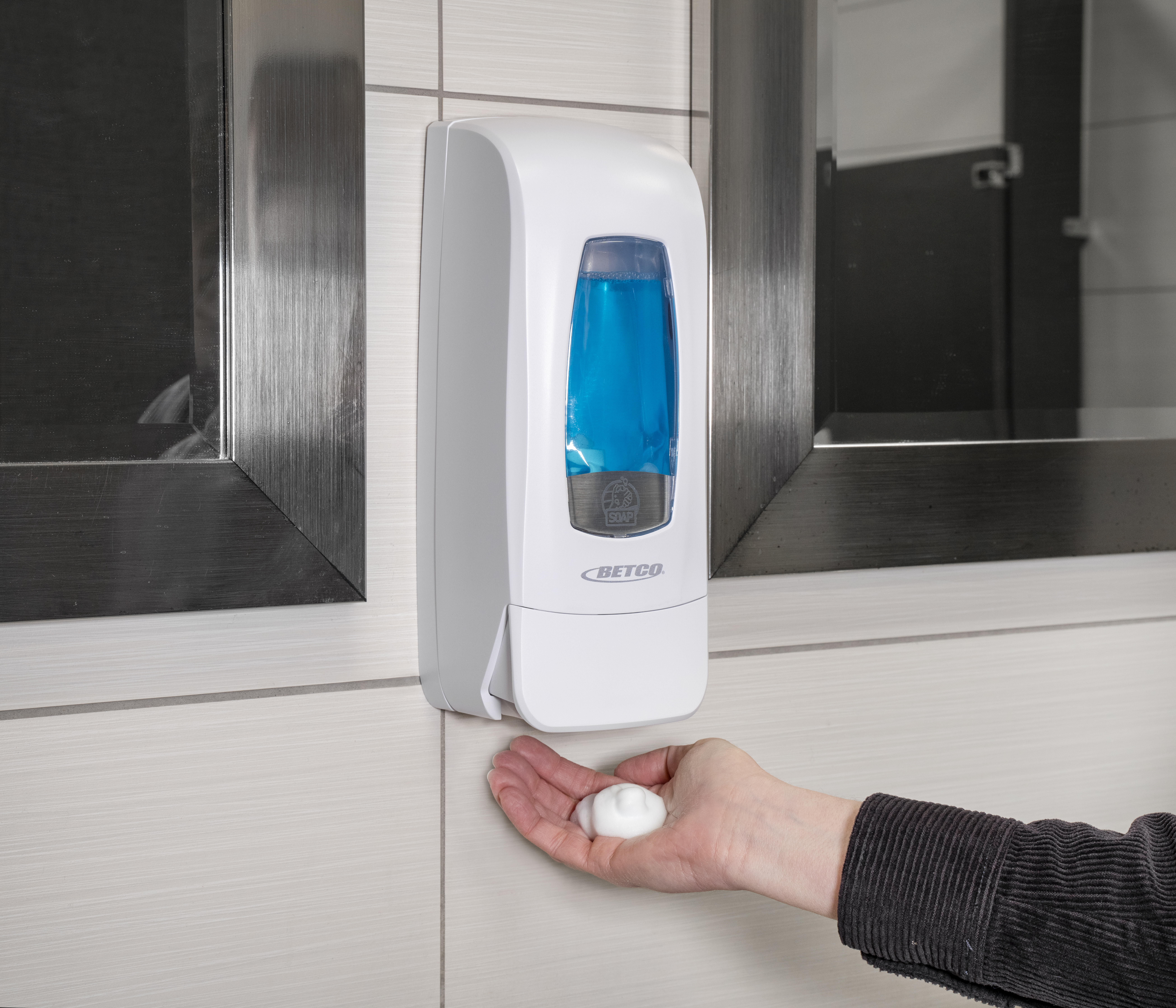
Facilities can help reduce risk by encouraging strong hygiene practices and maintaining clean environments. Proper cough etiquette is an important first step. Individuals should cover their mouths and noses with a tissue, or cough or sneeze into their
elbow. Regular handwashing also plays a critical role in preventing transmission, particularly in high-traffic environments.
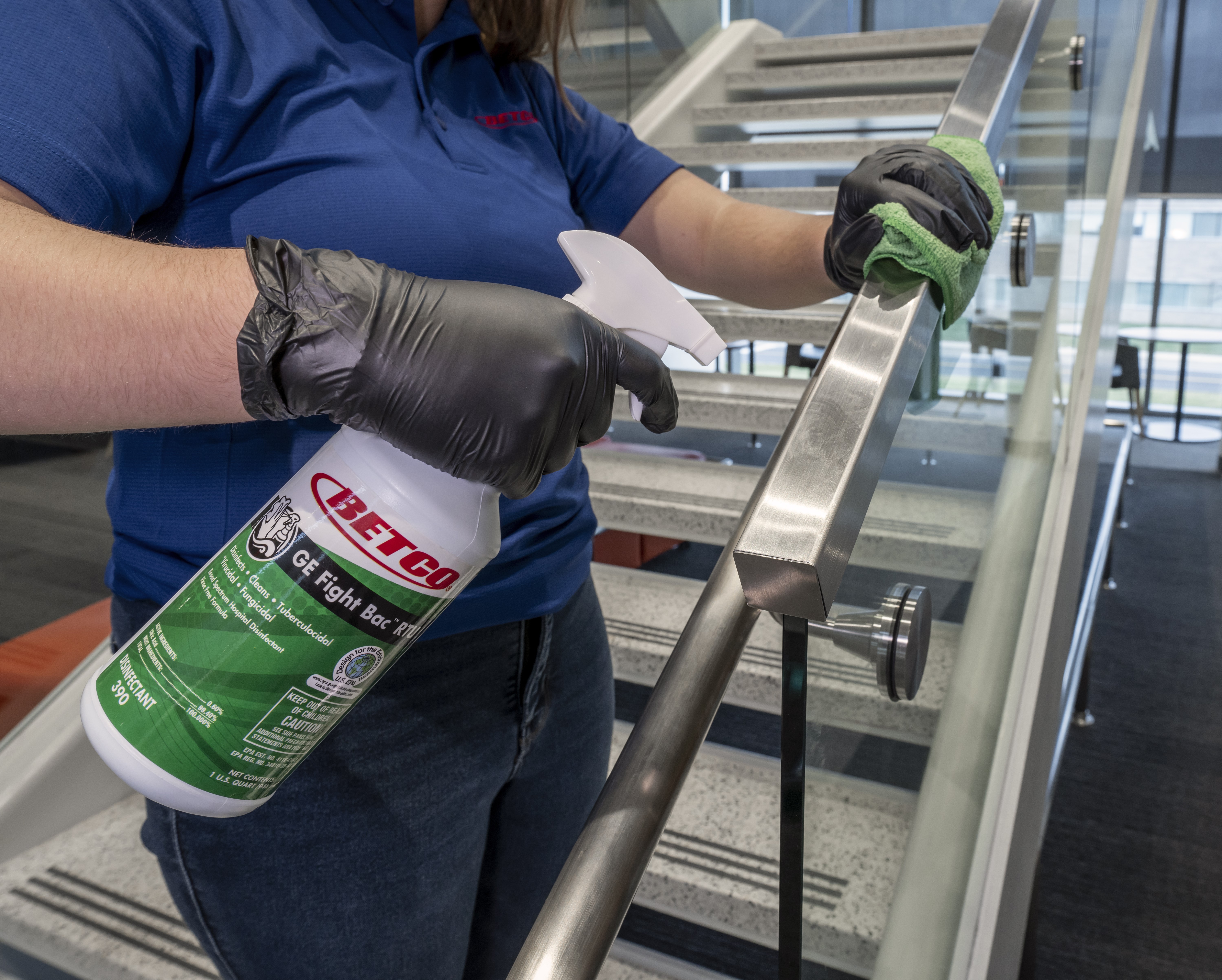
Routine cleaning of frequently touched surfaces is another important preventive measure. Surfaces such as doorknobs, handrails, countertops, restroom fixtures, and shared equipment can contribute to virus transmission when contaminated. Regular cleaning
helps remove viruses from these surfaces and supports healthier indoor environments.
While there are currently no disinfectants with a specific HMPV claim, facilities can use broad-spectrum disinfectants to help reduce viral contamination on high-touch surfaces. The following Betco products are designed to help decontaminate surfaces
as part of a comprehensive cleaning and hygiene program:
Facilities should also encourage individuals experiencing respiratory symptoms to take steps to help prevent the spread of illness in shared environments:
- Stay home when sick
- Get adequate rest
- Limit contact with others
Staying Ahead of Respiratory Virus Season
While HMPV may be less familiar than flu or COVID-19, it spreads in similar ways and can contribute to respiratory illness in shared environments. Reinforcing good hygiene practices and maintaining routine cleaning of high-touch surfaces can help facilities
reduce the spread of respiratory viruses and support healthier indoor spaces throughout the season.