When people think about indoor air quality (IAQ), HVAC systems are often the first thing that comes to mind. While proper ventilation plays an essential role, it’s only part of the equation. Everyday cleaning practices also have a significant impact
on the quality of the indoor environment.
Dust, dirt, moisture, odors, and even the cleaning products used throughout a facility can all influence occupant comfort and the overall perception of cleanliness. A well-designed cleaning program helps minimize airborne contaminants, control odors at
their source, and create healthier, more welcoming spaces for building occupants.
Use the checklist below to evaluate your current cleaning program and identify opportunities to support better IAQ throughout your facility.
Stay Informed: Take Clean Further with Betco
Subscribe to Betco emails to join thousands of other industry professionals and get the most helpful blog posts, the latest news, new product notifications, and invitations to our events conveniently in your inbox!
Yes, Sign Me Up!
1. Stop Dirt and Moisture Before They Spread
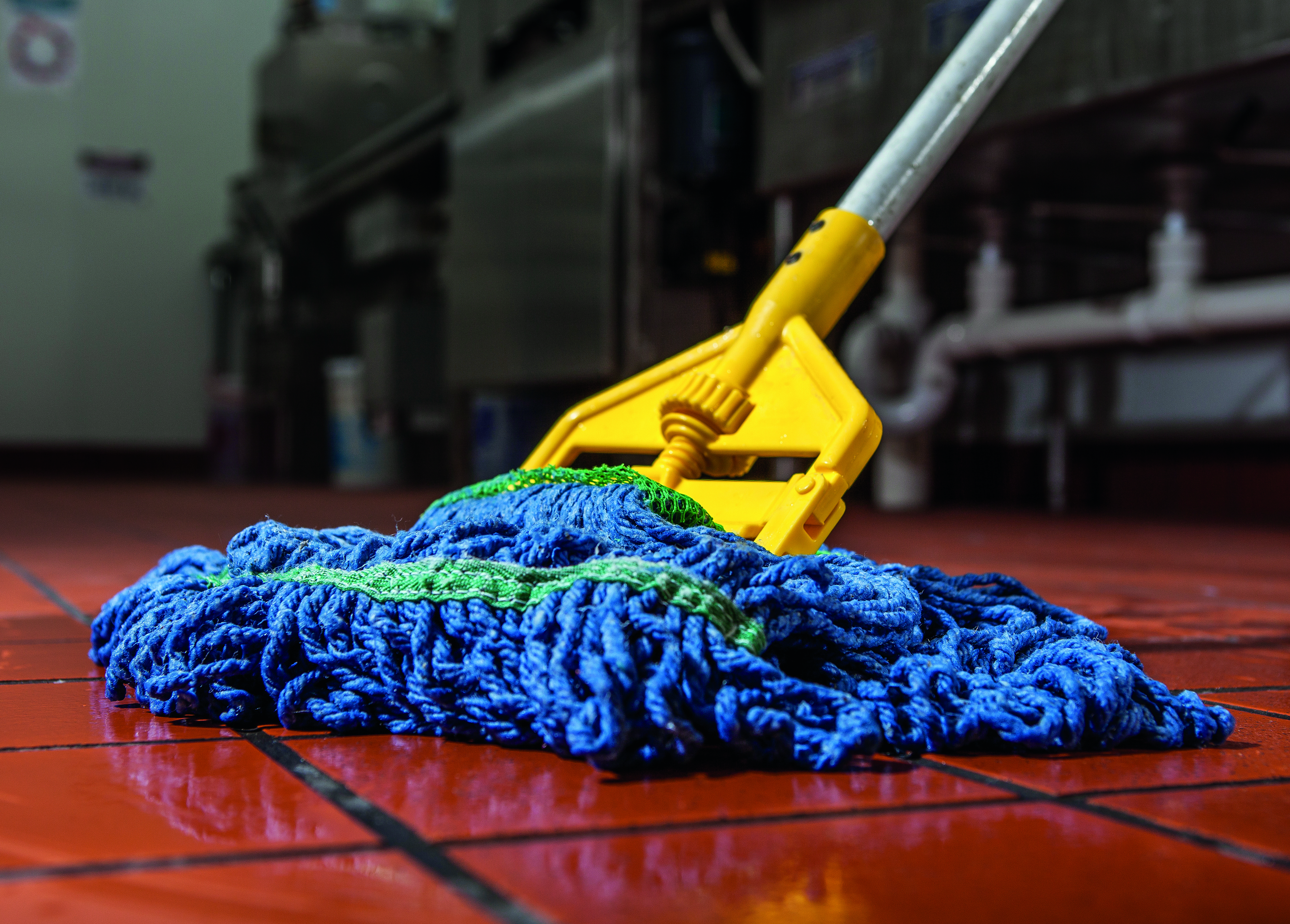
Every person entering a building brings dirt, dust, moisture, and other contaminants indoors. Without an effective strategy to capture these materials at the entrance, they can quickly spread throughout the facility, increasing cleaning demands
while contributing to airborne dust, unpleasant odors, and overall indoor environmental concerns.
An effective entryway maintenance program helps keep contaminants where they belong—outside.
IAQ Checklist
□ Are entry mats long enough to effectively capture dirt and moisture?
□ Are entry mats cleaned and maintained on a regular schedule?
□ Are hard floors cleaned frequently enough to prevent dust redistribution?
□ Are carpets maintained to reduce trapped dirt, allergens, and odors?
□ Are high-traffic areas monitored and cleaned based on facility usage?
Recommended Solutions
2. Eliminate Odors at the Source
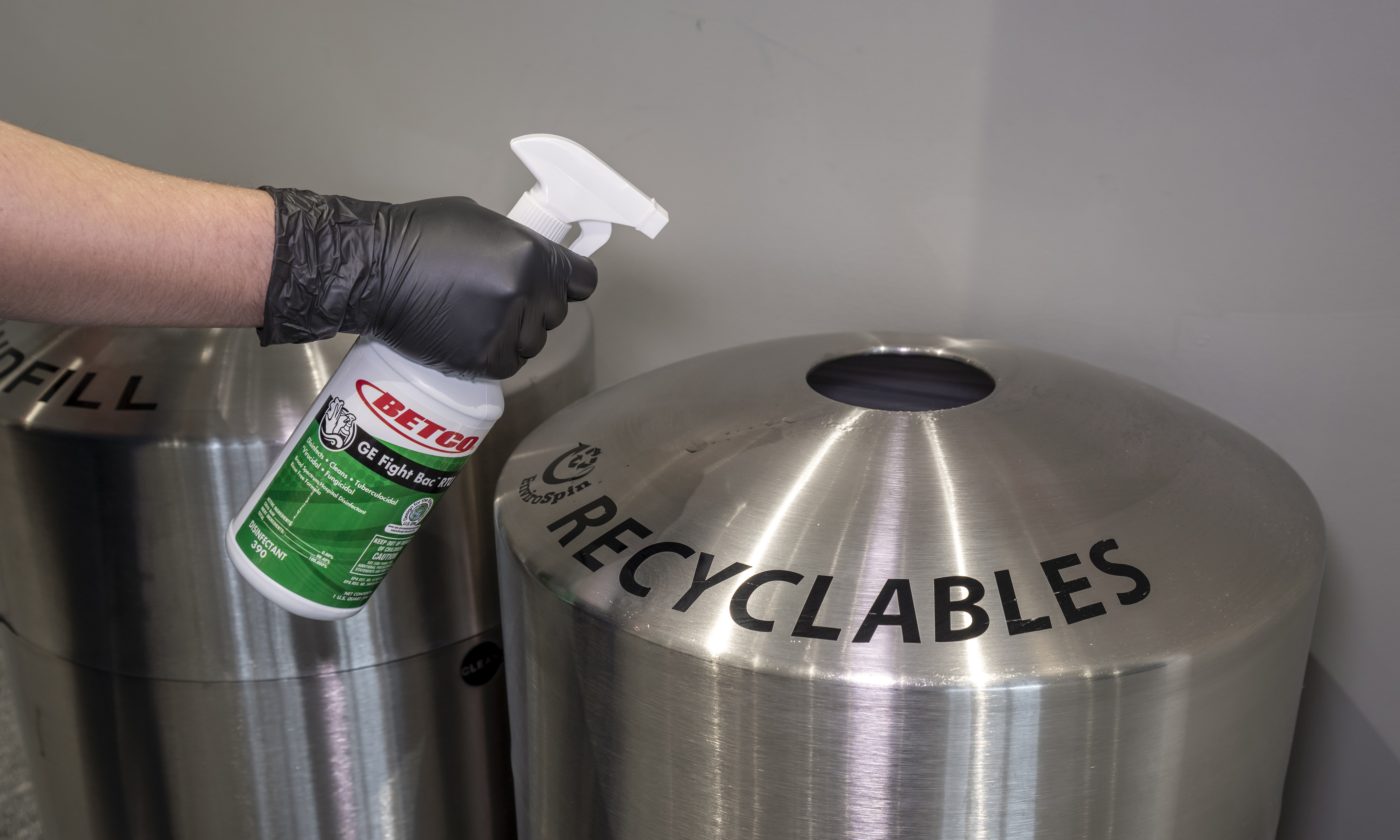
Persistent odors are often one of the first signs that IAQ is declining. Rather than masking odors with fragrances, effective cleaning programs focus on eliminating odor-causing bacteria and organic buildup at the source.
Restrooms, drains, grease traps, and waste collection areas should receive consistent attention to help maintain cleaner, fresher environments throughout the facility.
IAQ Checklist
□ Are drains and grease traps treated proactively?
□ Are restroom odors addressed at the source instead of being masked?
□ Are waste collection areas cleaned frequently?
□ Are moisture-prone areas inspected for recurring odor issues?
□ Are odor-control products helping improve occupant comfort?
Recommended Solutions
3. Choose Products That Support Healthier Indoor Environments
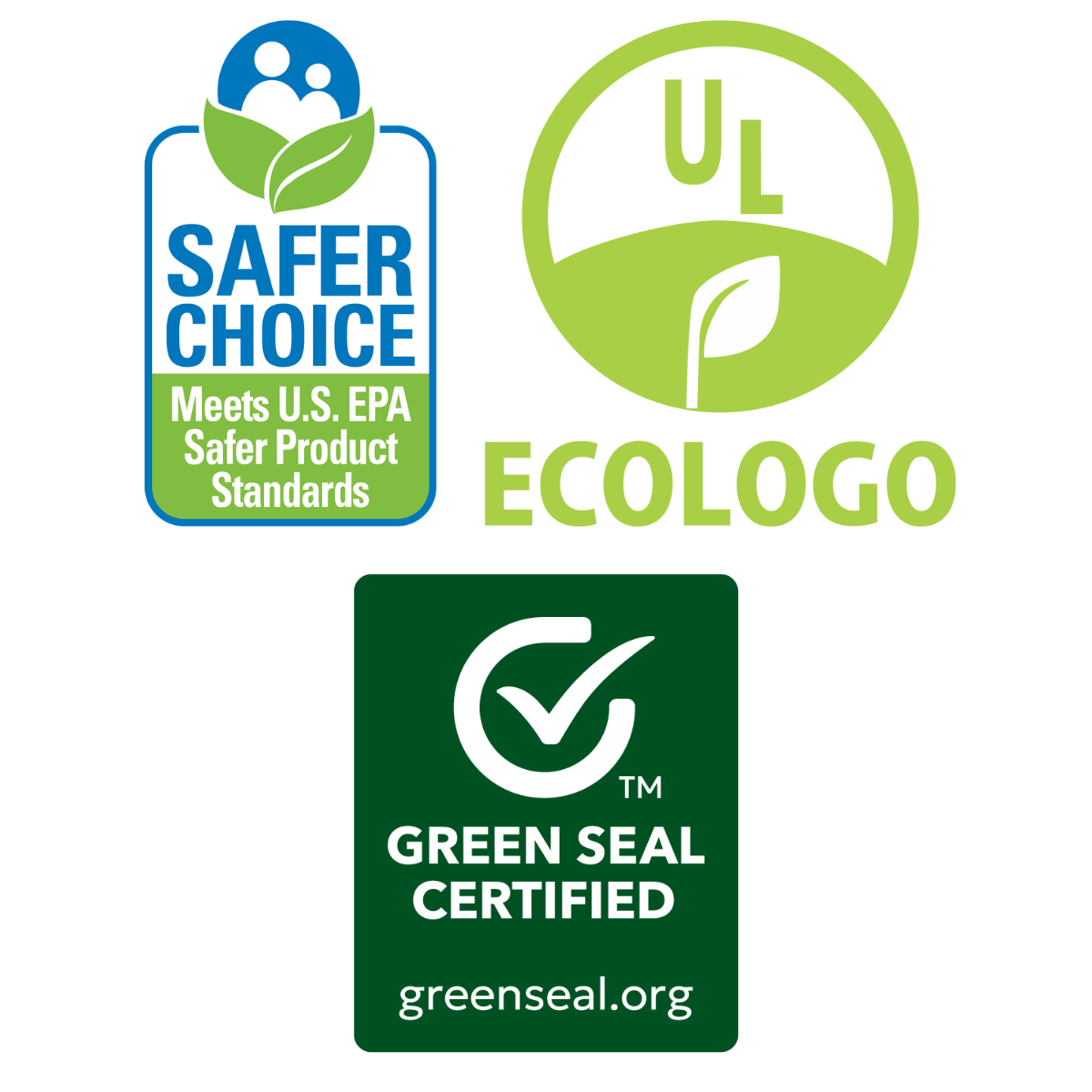
The cleaning products used every day can also influence IAQ. Selecting products with low VOCs, safer ingredient profiles, and recognized third-party certifications helps support healthier indoor environments while advancing sustainability goals.
Products carrying certifications such as EPA Safer Choice®, Green Seal®, ECOLOGO®, and MAS Certified Green® have been evaluated against established environmental and health criteria,
giving facilities greater confidence in the products they choose.
IAQ Checklist
□ Are low VOC products used whenever possible?
□ Are products selected with occupant comfort in mind?
□ Are sustainable cleaning practices part of your cleaning program?
□ Are third-party certifications considered during product selection?
□ Are employees trained on proper product use and handling?
To view a full listing of our sustainable products and programs, please consult our sustainability brochure by clicking here.
4. Improve Consistency Through Proper Chemical Management
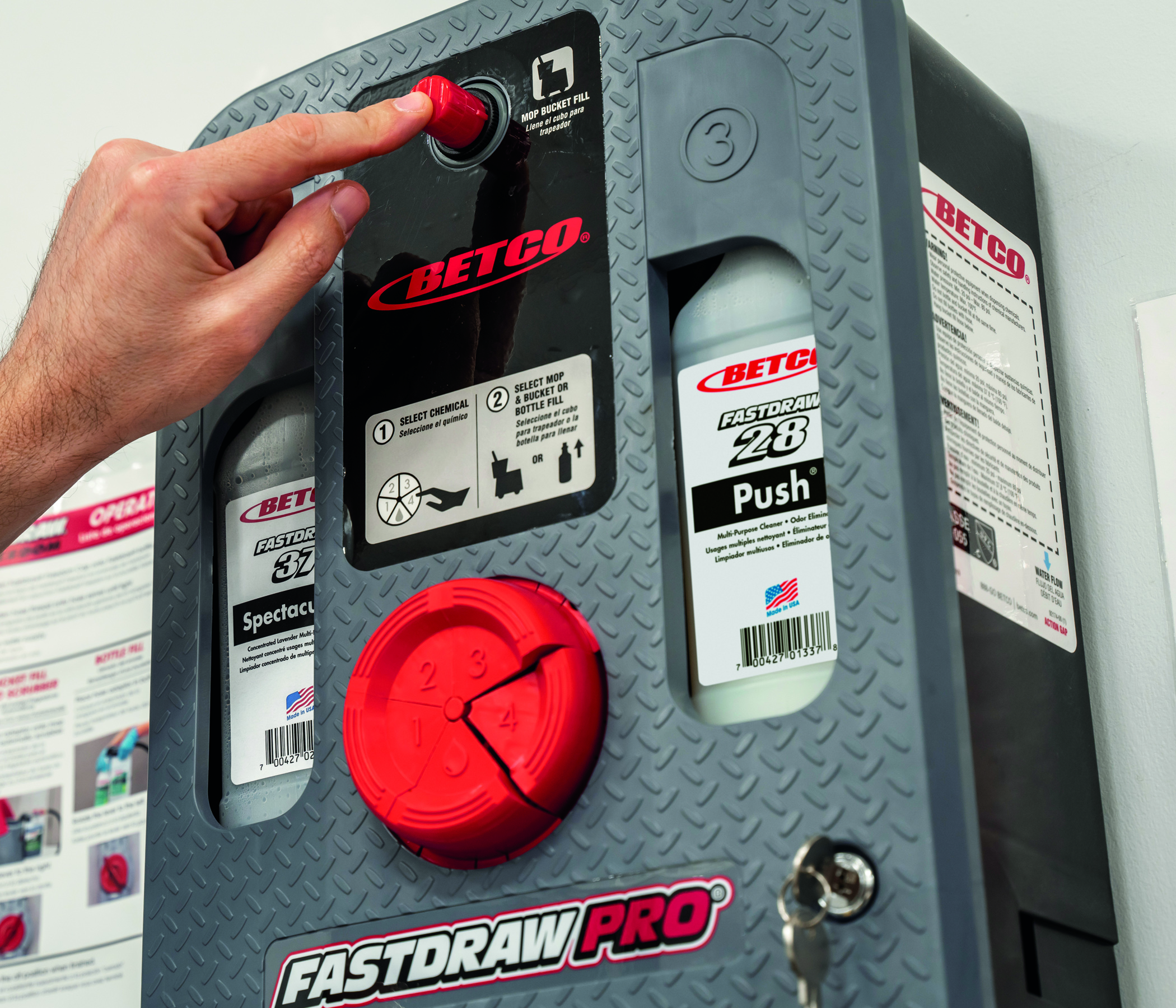
Even the best cleaning products can underperform if they’re mixed incorrectly or applied inconsistently. Overusing chemicals may leave unnecessary residue, while improper dilution can reduce cleaning effectiveness.
Automated dispensing systems help ensure accurate dilution every time, supporting consistent cleaning performance while reducing waste and improving operational efficiency.
IAQ Checklist
□ Are cleaning chemicals diluted accurately every time?
□ Are cleaning chemicals used at the recommended dilution to avoid unnecessary residue?
□ Are concentrated products being used to reduce packaging waste?
□ Do dispensing systems help standardize cleaning across facilities?
□ Are sustainability goals being supported without sacrificing cleaning performance?
Recommended Solutions
5. Standardize Cleaning Across Your Facility
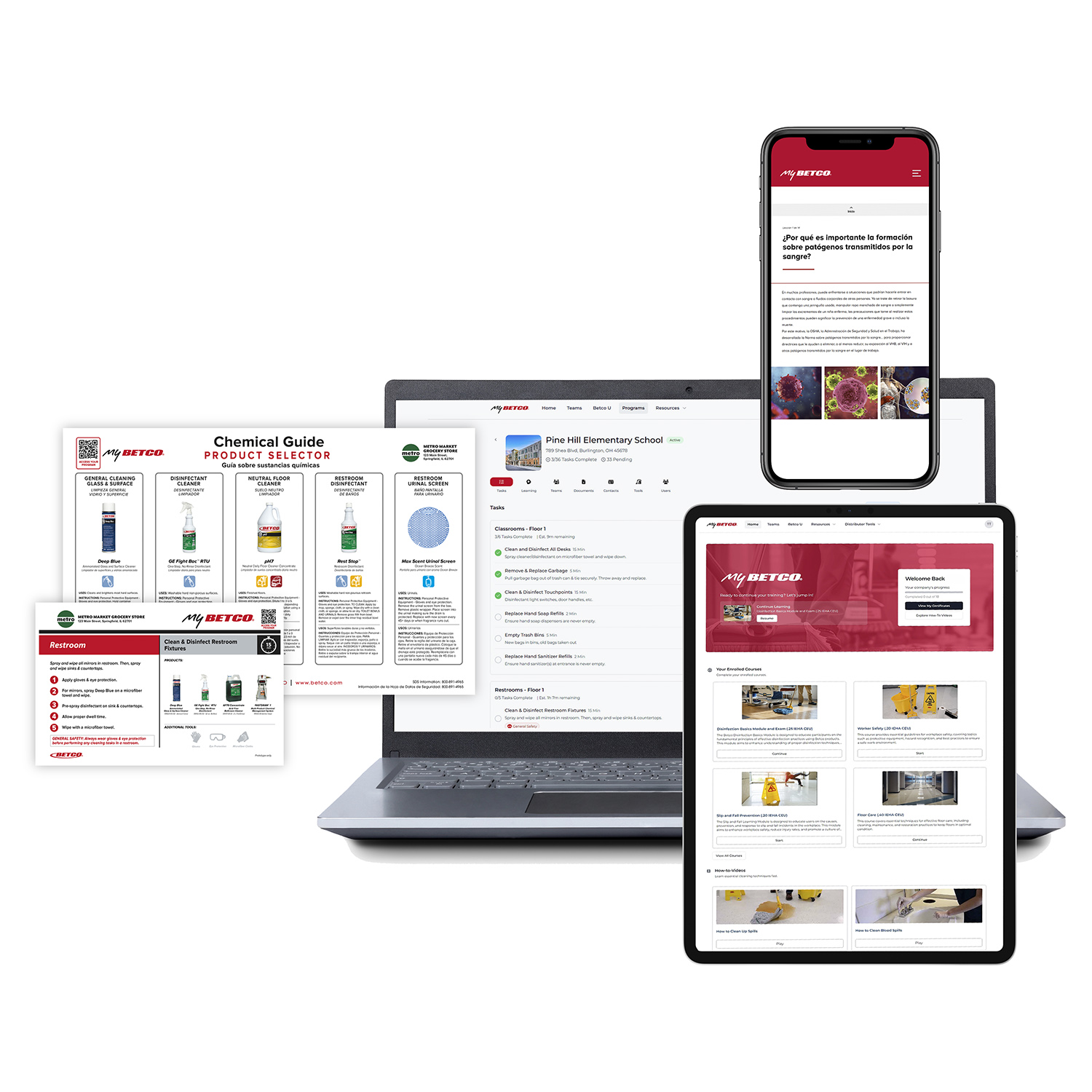
Consistent cleaning procedures are just as important as selecting the right products. When employees have easy access to product information, training materials, and standardized procedures, facilities are better equipped to maintain cleaning
quality across every shift and every location.
Providing teams with the resources they need helps reduce product misuse, streamline onboarding, and improve operational consistency.
IAQ Checklist
□ Can employees easily access SDS documents and product information?
□ Are training materials available across shifts and locations?
□ Are cleaning procedures standardized throughout the facility?
□ Are employees trained to use cleaning products and equipment correctly?
□ Are teams consistently following established cleaning procedures?
Recommended Solution
MyBetco® provides centralized access to product information, SDS documents, training resources, and cleaning program guidance to help facilities maintain consistent results across teams and locations. To learn more about MyBetco,
click here.
Better Indoor Air Quality Starts with Better Cleaning
Supporting healthier indoor environments requires more than simply maintaining an HVAC system. Everyday cleaning practices, from controlling dirt and moisture at the entrance to selecting lower-emission products and maintaining consistent cleaning
procedures, play an important role in occupant comfort and the overall facility experience. Small improvements to your cleaning program can make a meaningful difference over time.