
Flu season brings familiar challenges, but the way influenza spreads is often underestimated. Research shows that the flu virus can survive on hard surfaces for 24 to 48 hours, enabling germs to spread long after the surface is touched. At the same time,
up to one in three people infected with the flu never show symptoms, unknowingly contaminating shared spaces throughout the day. Since studies indicate that a significant portion of infections is linked to surface contact, proper cleaning and disinfection
play a critical role in reducing transmission and keeping facilities healthy, operational, and prepared during flu season.
What Is the Flu and How Is It Contagious?
Influenza (commonly known as the flu) is a highly contagious respiratory illness caused by influenza viruses. It spreads primarily through respiratory droplets expelled when an infected person coughs, sneezes, or talks. These droplets can land directly
on others or settle on surfaces, where the virus may survive for several hours.
People can become infected by touching contaminated high-touch surfaces—such as door handles, desks, restrooms, buttons, and shared equipment—and then touching their face. This makes shared environments particularly vulnerable during peak
flu season.
Stay Informed: Take Clean Further with Betco
Subscribe to Betco emails to join thousands of other industry professionals and get the most helpful blog posts, the latest news, new product notifications, and invitations to our events conveniently in your inbox!
Yes, Sign Me Up!
Why Disinfection Matters
While vaccination and personal hygiene are important for flu prevention, environmental cleaning and disinfection are critical for reducing transmission in shared facilities.
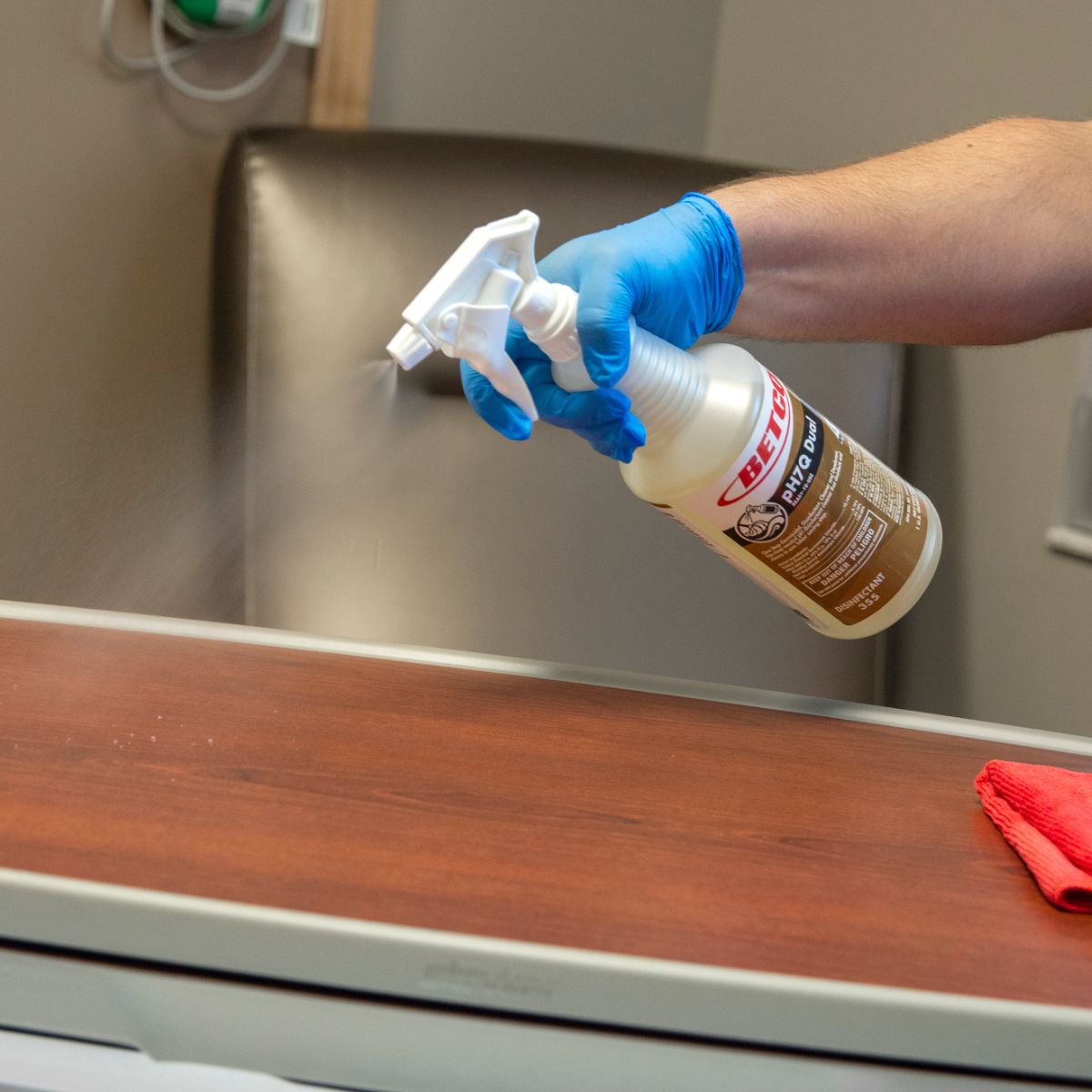
Cleaning removes dirt and organic matter but does not necessarily kill viruses. Disinfection, when used correctly, eliminates viruses on surfaces and helps lower the risk of indirect transmission—the spread of viruses via contaminated surfaces
rather than direct person-to-person contact.
Disinfectants are formulated to disrupt microorganisms’ ability to survive and reproduce. Many operate through charge-based interactions, where positively charged disinfectant molecules bind to negatively charged microbial surfaces, interfering
with cellular functions and ultimately killing the organism. To meet stringent performance standards, disinfectants must eliminate 99.999% of bacteria when used according to label directions, highlighting the importance of proper product selection
and correct application.
Betco offers several EPA-registered disinfectants that, when used as directed, are highly effective at reducing viral load on surfaces and creating safer environments during flu season:
Practical Flu Prevention Tips for Facilities
In addition to routine disinfection, the following best practices can help reduce risk and keep operations running smoothly throughout flu season:
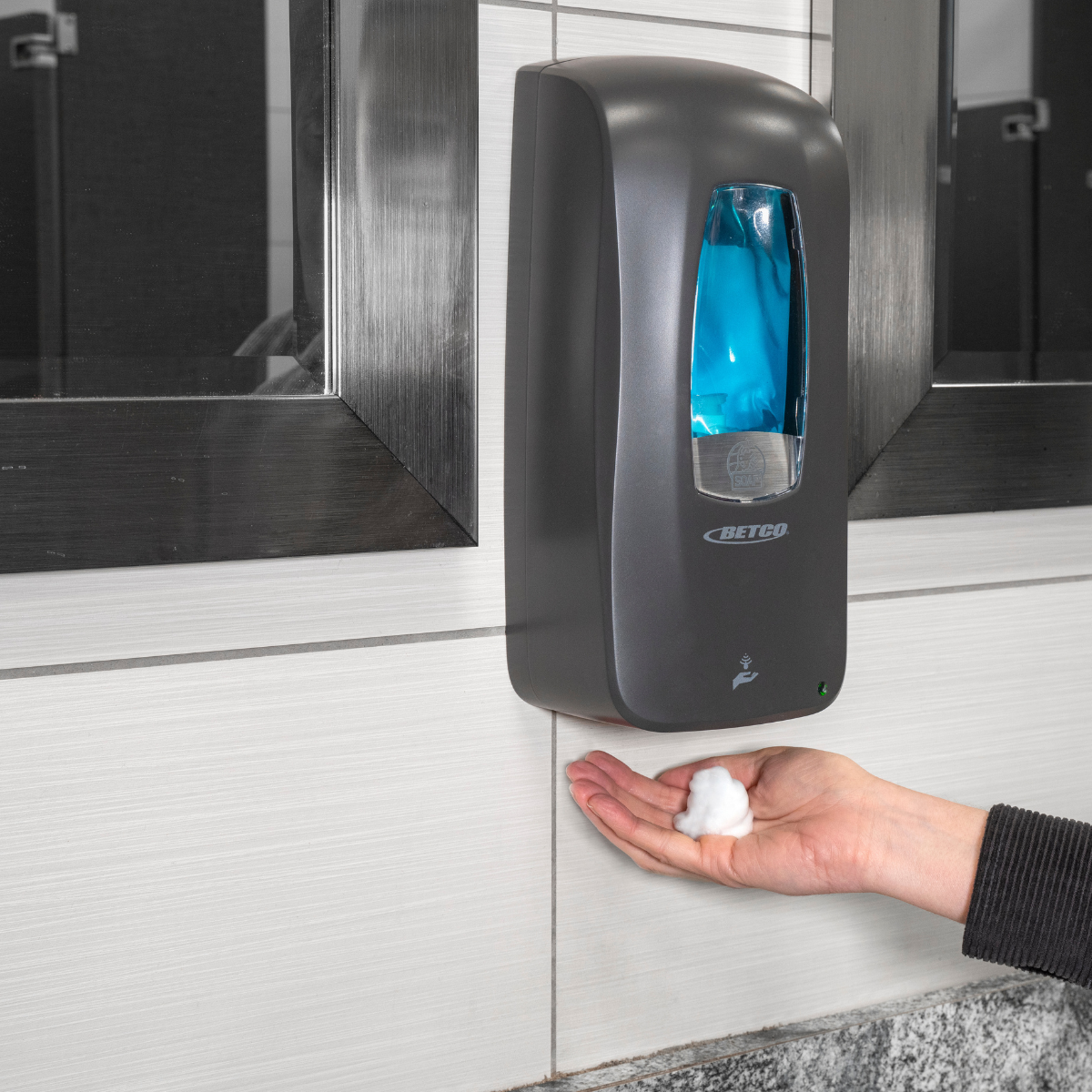
- Increase the frequency of cleaning and disinfection, especially in high-traffic and high-touch areas.
- Encourage proper handwashing and ensure hand hygiene supplies are readily available.
- Learn more about Betco’s comprehensive hand hygiene program.
- Train cleaning staff on proper cleaning and disinfection procedures.
Resources for Seasonal Illness Prevention
Flu season often overlaps with other highly contagious illnesses, such as RSV and norovirus. These pathogens spread quickly in shared environments and require targeted prevention strategies.
Explore additional Betco resources to stay informed and prepared:
- What You Need to Know About RSV: Learn how RSV spreads and what
facilities can do to reduce risk
- Norovirus Outbreaks: Discover why
norovirus is so persistent—and how proper disinfection helps stop outbreaks
- Disinfection Basics E-Learning Course: Build confidence in proper disinfection practices with this free and interactive e-learning course through a MyBetco® account. This training covers how disinfectants work, different types of disinfectants, and how to recommend
the most effective solutions for specific environments.
Flu season may be unavoidable—but outbreaks don’t have to be. With the right prevention strategies in place, facilities can remain prepared, protected, and confident all season long.
Sources: