Recent headlines surrounding a hantavirus outbreak abroad a cruise ship traveling from Argentina to Antarctica have raised questions about how the virus spreads, the associated risks, and what facilities can do to help protect occupants.
While individuals exposed to this specific strain of hantavirus are currently quarantining in the United States, no confirmed cases have originated within the U.S. Staying informed and prepared is an important part of maintaining healthy environments and responding confidently to emerging public health concerns.
Stay Informed: Take Clean Further with Betco
Subscribe to Betco emails to join thousands of other industry professionals and get the most helpful blog posts, the latest news, new product notifications, and invitations to our events conveniently in your inbox!
Yes, Sign Me Up!
What Is Hantavirus?
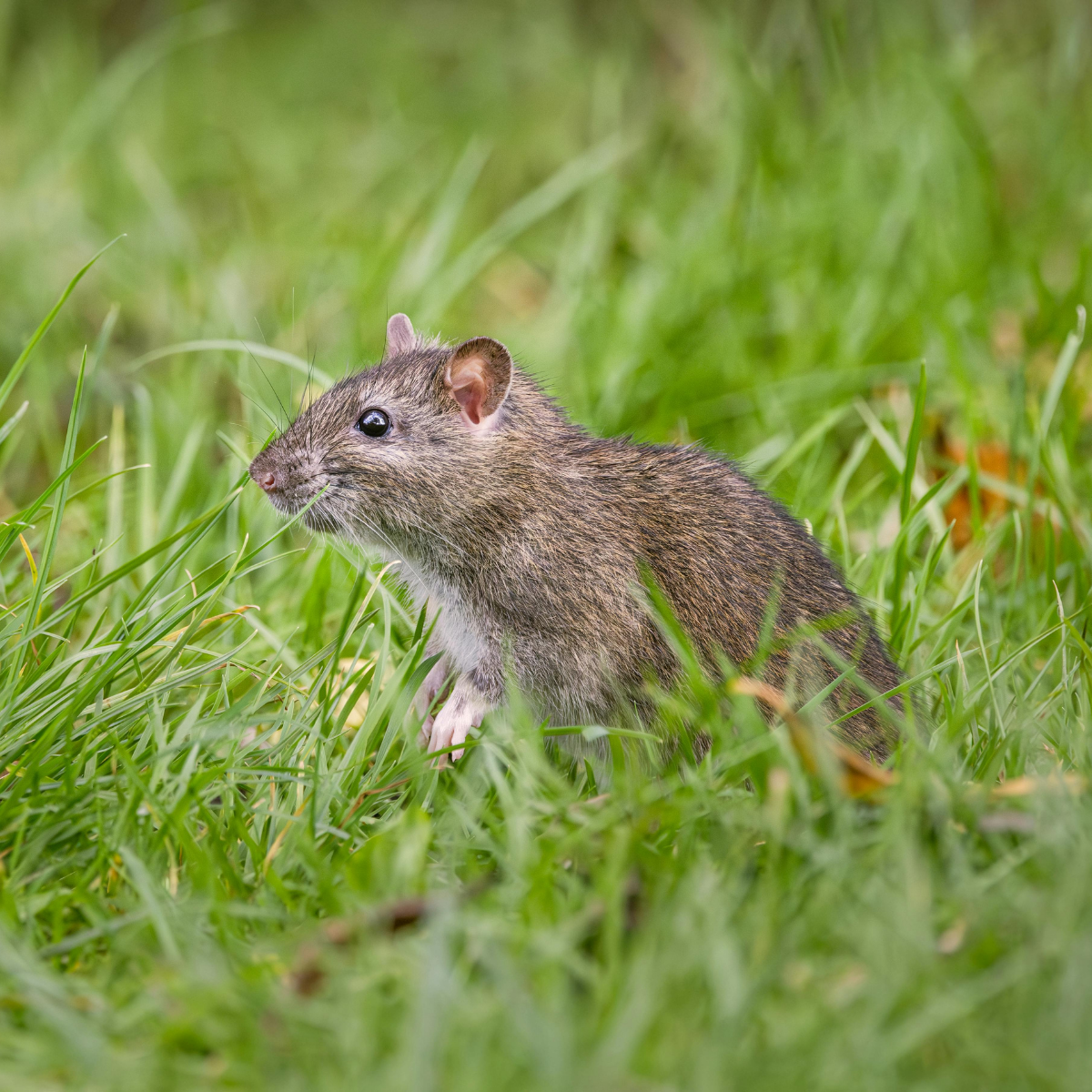
Hantaviruses are a family of viruses primarily spread through contact with infected rodents and their droppings, urine, or saliva. The recent outbreak involves the Andes virus, a strain that can cause a severe respiratory disease called hantavirus pulmonary syndrome (HPS).
Unlike other hantaviruses, the Andes virus is currently the only known strain capable of limited person-to-person transmission through prolonged close contact with an infected individual showing symptoms.
How Does Hantavirus Spread?
People may be exposed to hantavirus through:
- Contact with rodents or rodent-contaminated materials
- Touching contaminated surfaces and then touching the eyes, nose, or mouth
- Breathing in airborne particles during improper cleanup of rodent droppings
- Prolonged close contact with someone infected with the Andes virus strain
Although the recent outbreak has drawn international attention, experts currently consider widespread transmission unlikely to the virus’s method of spread and long incubation period.
Symptoms of Hantavirus Pulmonary Syndrome (HPS)
Symptoms may appear anywhere from 4 to 42 days after exposure and often begin with flu-like symptoms, including:
- Fever
- Fatigue
- Muscle aches
- Headaches
- Dizziness
- Chills
- Abdominal discomfort
As the illness progresses, severe respiratory symptoms may develop, making early medical attention critical. Currently, there is no specific antiviral treatment or vaccine available for hantavirus infections.
Reducing Risk During Cleanup
Facilities should take precautions when handling areas contaminated by rodents or rodent droppings. Recommended safety measures include:
- Wearing disposable gloves
- Using an appropriate respirator when cleaning contaminated areas
- Washing hands thoroughly after cleanup
- Avoiding direct contact with potentially infected materials
- Following proper cleaning and disinfection protocols
Importantly, rodent droppings should never be swept or vacuumed while dry, as this can release particles into the air.
Disinfecting Surfaces with Confidence
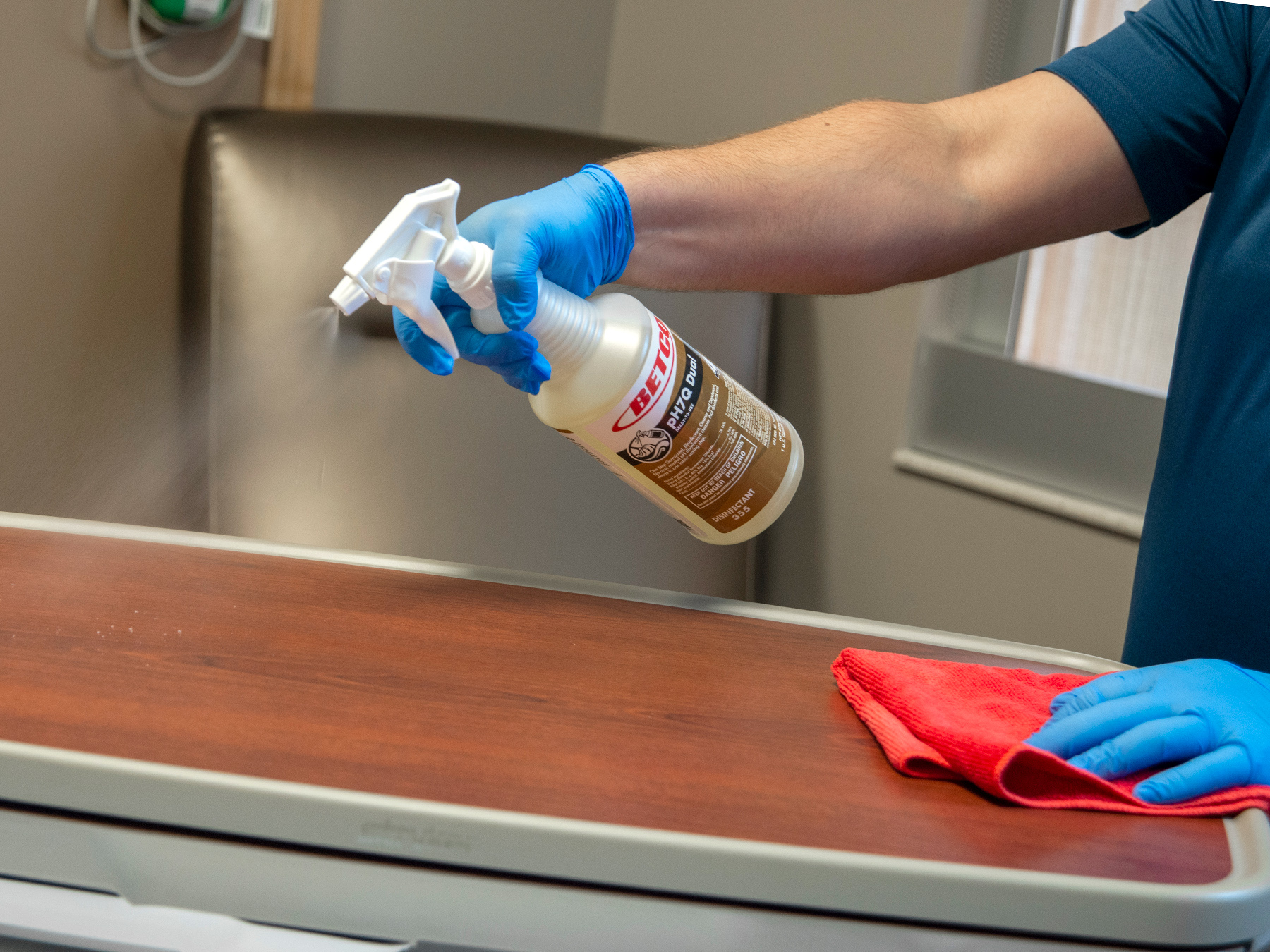
Betco pH7Q Dual carries an EPA-approved claimed against hantavirus at a 1:256 dilution with a 10-minute contact time, helping facilities confidently address concerns around surface disinfection. Designed to clean, disinfect, and deodorize in one step, pH7Q Dual helps support healthier environments across a wide range of facility types.
Staying Informed and Prepared
Betco encourages customers to stay informed and reinforce safe cleaning and disinfection practices within their facilities.
While the risk of widespread transmission in the U.S. remains low, maintaining healthy environments through proper cleaning protocols and proven disinfection solutions can help facilities respond confidently to emerging public health concerns while supporting the safety of staff and building occupants.